



Mounjaro, Wegovy and the other GLP-1 medicines work by turning your appetite right down. In studies of semaglutide and tirzepatide, people ate 24% to 39% less. That is how the weight comes off, and it also means a much smaller plate has to bring in everything your body uses: protein for muscle, fibre for your gut, and the vitamins and minerals behind everything else. This guide sets out what the research has found in people on these medicines, what to eat first, and then the supplements, with what each one does.
- Appetite dropsGLP-1 medicines turn hunger down
- You eat less24% to 39% less in studies
- Fewer nutrientsProtein, fibre, vitamins and minerals
- Food firstThen a top-up where it helps
What the research shows
Four recent studies put numbers on what happens when people take these medicines.
- 24% to 39%less energy eaten in studies of semaglutide and tirzepatideSpreckley and colleagues, Obesity Reviews 2026 (Cambridge and UCL)
- 22.4%of 461,382 adults starting a GLP-1 medicine were diagnosed with a nutritional deficiency within a year. Vitamin D was the most common.Butsch and colleagues, Obesity Pillars 2025 (US records; most had type 2 diabetes)
- About 28%of the weight lost on these medicines was muscle and other lean tissue, the median across 35 trialsBatsis and colleagues, Annals of Internal Medicine 2026
- 17.5%of the weight lost was lean mass when weight-loss programmes added resistance training, the lowest share of any approach studiedEisa and Barood, Diabetes, Obesity and Metabolism 2026
The nutrients most at risk are named in a 2025 joint advisory from four obesity and nutrition societies: iron, calcium, magnesium, zinc and vitamins A, D, E, K, B1, B12 and C. The advisory says dietary supplements can be considered for nutrients at risk, such as vitamin D, calcium or B12, or a multivitamin and mineral, at sensible doses and tailored to the person.
Some people start a little behind. A 2026 analysis of 16,143 US adults found that those who qualify for these medicines were a little more likely to fall short on vitamins A, C, D, E and K, magnesium, potassium and fibre before any treatment began. And about a quarter to a third of the weight lost on the medicines is muscle and other lean tissue, which is why protein and strength exercise come before any supplement.
Who is most likely to fall short on GLP-1 treatment
- Your meals have shrunk to a few mouthfuls, or you often skip them. The advisory says the risk is greatest below about 1,200 calories a day for women and 1,800 for men.
- You have just stepped up a dose. The days you cannot face food are most common in the first week after an increase.
- Nausea, vomiting or diarrhoea are cutting what you eat and drink.
- You have gone off meat, fish, eggs or dairy, or rich and fatty foods, since starting. They are where most of the vitamin B12 and omega-3 in a usual diet come from, and meat is a good source of iron and zinc.
- You also take metformin or orlistat. The MHRA says low vitamin B12 is a common side effect of metformin. Orlistat reduces the absorption of fat-soluble vitamins A, D, E, and K.
- You are vegan or vegetarian. Vitamin B12 is not found naturally in plant foods.
- You are over 55, when muscle is harder to keep.
- You have had weight-loss surgery. Keep to the supplements and blood tests your surgical team set: this guide does not replace them.
Already on treatment with us? Your Solira pharmacist can look at what you are eating and any supplements you take alongside your medicine. Message us through your account.
Food first: protein, strength, fibre and fluids
Protein at every meal
Protein contributes to the maintenance of muscle mass, and it is usually the first thing to fall when appetite drops, because protein foods are filling. So eat your protein first, before anything else on the plate: if you only manage half a meal, you will have had the half that counts.
How much? The 2025 joint advisory suggests that a simple target of 80 to 120g of protein a day may be easier to stick to than working it out per kilo of body weight. If you have kidney disease, check with your GP or pharmacist before you eat more protein.
Build a day of protein
Tap what you might eat in a day. It starts on an example.
81gprotein
Inside the 80 to 120g range.
Typical amounts, rounded. Labels vary, so check the pack.
Strength exercise
Protein alone is unlikely to keep muscle without strength training, the advisory says, and it suggests aiming for strength training at least three times a week alongside GLP-1 treatment. A 2026 meta-analysis found that lean mass made up 17.5% of the weight lost in weight-loss programmes that added resistance training, the lowest share of any approach. The NHS advises strengthening activities on at least 2 days a week for every adult. Lifting weights, resistance bands, exercises that use your own body weight, and carrying heavy shopping all count.
Over 55 and doing regular resistance training? Daily creatine consumption can enhance the effect of resistance training on muscle strength in adults over the age of 55. The beneficial effect is obtained with 3g of creatine a day alongside resistance training that gets harder over time, done at least three times a week for several weeks at 65 to 75% of the most you can lift in one go.
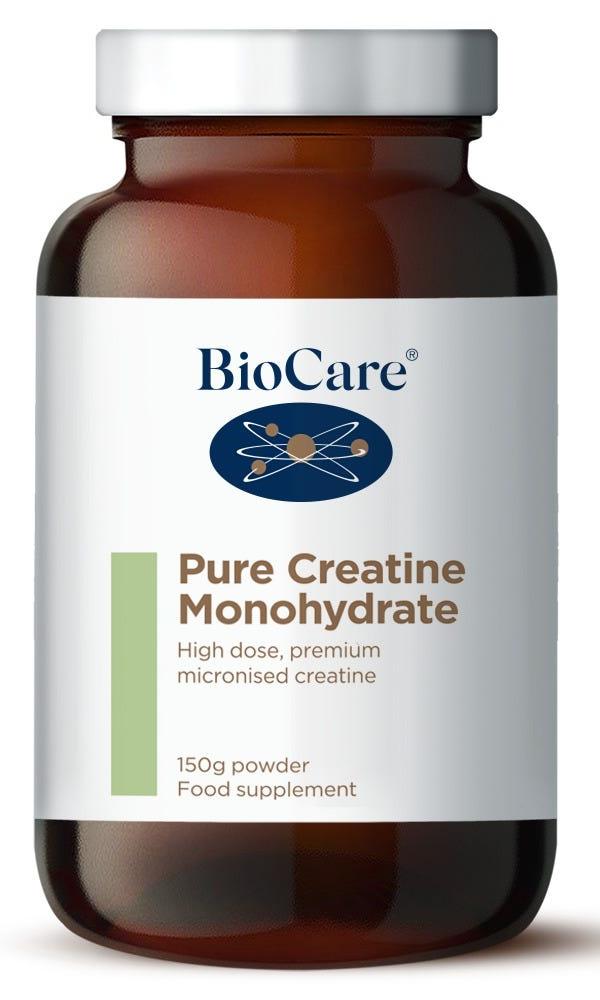
Ask your doctor before taking it if you have kidney disease.
Fibre and fluids
Eating less usually means less fibre, and GLP-1 medicines slow how quickly food moves through your gut, so constipation is common. In one 2025 study of people with type 2 diabetes taking GLP-1 medicines, none met the fibre recommendation. The government advises 30g of fibre a day for adults, from foods such as oats, beans, lentils, wholegrain bread, fruit and vegetables. Build it up gradually and drink plenty with it: fibre absorbs water, and without enough fluid it cannot do its job. See managing constipation on Mounjaro.
Sip through the day rather than waiting for thirst, which is easy to miss when your appetite is low. The NHS suggests 6 to 8 cups or glasses of fluid a day, and more if you are being sick or have diarrhoea.
Thinking about starting? Check your eligibility in a few minutes. Every assessment is reviewed by a GPhC-registered pharmacist, and if treatment isn't suitable for you, you get a full refund.
Check your eligibilityNutrition Support, omega-3 and collagen
Food comes first. But when portions stay small for months, many people want a simple daily top-up. These are the BioCare supplements in our nutrition shop for people on GLP-1 treatment, and why each one is there. What each does is given in the wording UK food law authorises, which is why those lines sound formal.
Nutrition Support: a multivitamin made for eating less
BioCare made Nutrition Support for people who are eating less than they used to, including alongside GLP-1 medication. Of the 11 nutrients the advisory lists, it contains 8: iron, magnesium, zinc and vitamins A, D, E, K and B12, with three digestive enzymes and 500mg of soluble fibre.
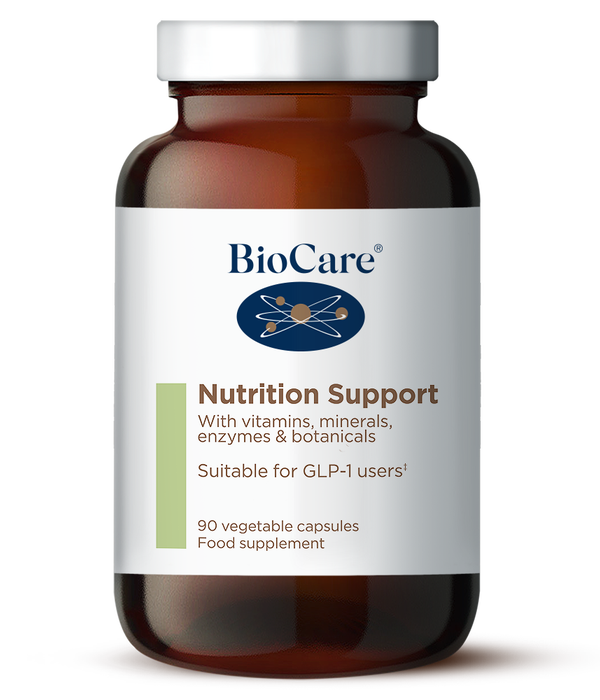
BioCare Nutrition Support
Your appetite changes on GLP-1 treatment, but your body still needs its vitamins and minerals. Three capsules a day give you vitamins A, D, E, K2 and B12, magnesium, iron and zinc, three digestive enzymes and 500mg of soluble fibre, in a formula BioCare made for people taking GLP-1 medication.
Vitamin B12, iron and magnesium contribute to the reduction of tiredness and fatigue. Vitamin D contributes to the maintenance of normal bones and normal muscle function.
See Nutrition Support in the shopIn 3 capsules of Nutrition Support
- Vitamin B12200µg8000%
- Vitamin D325µg500%
- Vitamin E20mg167%
- Iron7mg50%
- Zinc5mg50%
- Vitamin K230µg40%
- Vitamin A300µg37.5%
- Magnesium57mg15%
- Potassium100mg5%
How to take it. 3 capsules taken daily, with meals. Suitable for use alongside GLP-1 medication. This is not a GLP-1 replacement. Should not be consumed on an empty stomach.
Before you start. It contains vitamin K2, and the NHS says not to take vitamin K supplements while you are taking warfarin. If you take warfarin, speak to your anticoagulant clinic or GP before starting it.
- Not suitable for use during planned pregnancy, pregnancy or breastfeeding, or children below 18 years.
- Contains green tea: do not consume more than 800mg of epigallocatechin-3-gallate (EGCG) daily.
- Should not be consumed if you are consuming other products containing green tea on the same day.
- Contains iron, which if taken in excess may be harmful to very young children.
- Contains sulphites.
- If you take other medicines or are under medical supervision, ask your pharmacist before use.
Omega-3: when oily fish drops off the plate
Oily fish such as salmon, sardines and mackerel is the main food source of the omega-3 fats EPA and DHA. The NHS advises at least one portion a week and says most of us do not eat that much. On GLP-1 treatment, rich and fatty foods are often the ones that sit heavily, which makes oily fish easy to skip.
If oily fish has dropped off your plate, Mega EPA Forte is the fish oil in the GLP-1 Trio.
- EPA and DHA contribute to the normal function of the heart.
- DHA contributes to maintenance of normal brain function.
- DHA contributes to the maintenance of normal vision.
The beneficial effect is obtained with a daily intake of 250mg of EPA and DHA, and for the brain and vision, 250mg of DHA.
Contains fish. If you take an anticoagulant such as warfarin, ask your pharmacist before taking fish oil.
Collagen Complex: collagen with vitamin C and zinc
Collagen is the main structural protein in your skin, bones and cartilage, and many people losing weight on these medicines ask about it. No health claim is authorised for collagen itself, so we cannot tell you a collagen supplement does anything on its own. What Collagen Complex does carry is vitamin C and zinc, and their claims are below.
- Vitamin C contributes to normal collagen formation for the normal function of skin.
- Vitamin C contributes to normal collagen formation for the normal function of bones.
- Vitamin C contributes to normal collagen formation for the normal function of cartilage.
- Vitamin C increases iron absorption.
- Zinc contributes to the maintenance of normal skin.
- Zinc contributes to the maintenance of normal hair.
- Zinc contributes to the maintenance of normal nails.
That vitamin C also pairs with the iron in Nutrition Support: vitamin C increases iron absorption, and the two are taken together with meals.
Contains fish. Not suitable during pregnancy, planned pregnancy or breastfeeding.
The GLP-1 Duo and Trio: why they go together
We put the three together as a set. Nutrition Support covers the most ground, Collagen Complex adds vitamin C and zinc, and Mega EPA Forte adds the omega-3 fats found in oily fish. As a bundle they cost 10% less than buying them separately.
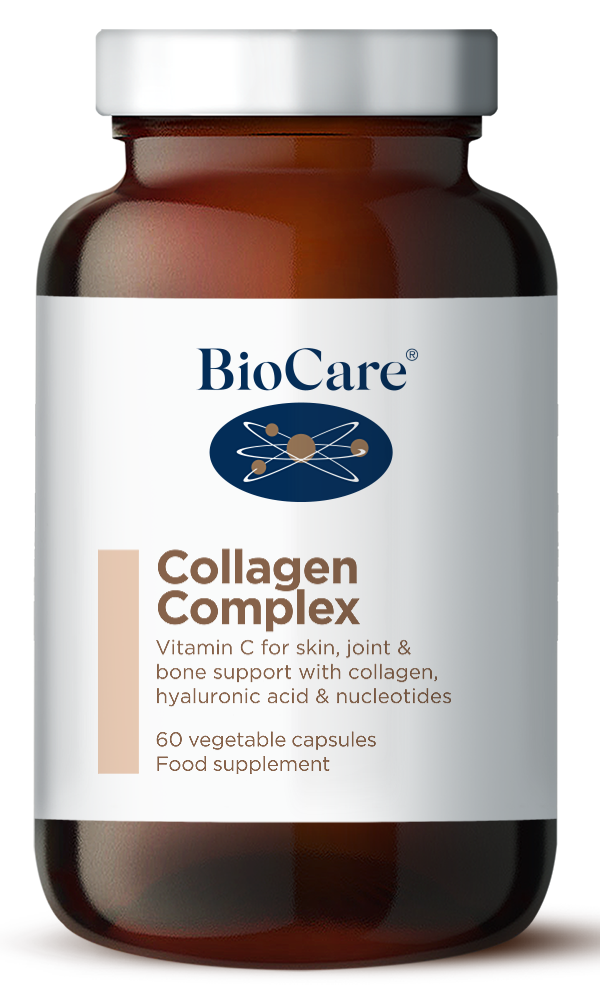
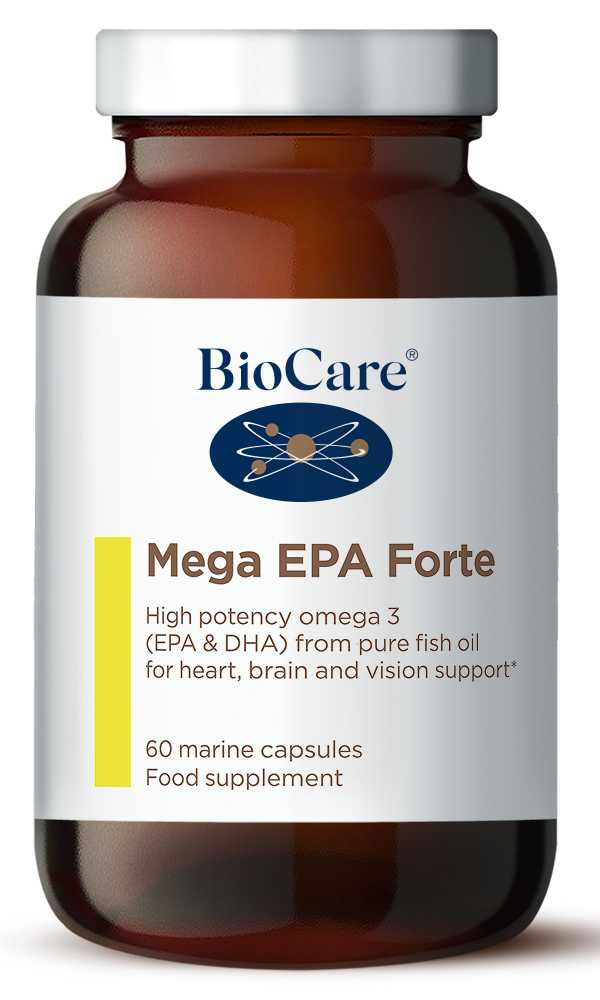
Solira patient? Sign in to see your patient price.
The GLP-1 Trio gives 9 of the 11 nutrients the advisory lists, plus omega-3.
Also in the bundles
Between them, the Trio's three products carry these authorised claims:
- Vitamin B12, iron and magnesium contribute to the reduction of tiredness and fatigue. Vitamin D contributes to the maintenance of normal bones and normal muscle function.
- Vitamin C contributes to normal collagen formation for the normal function of skin.
- Vitamin C increases iron absorption.
- EPA and DHA contribute to the normal function of the heart.
The beneficial effect is obtained with a daily intake of 250mg of EPA and DHA.
A day on the GLP-1 Trio
- Breakfast2 Nutrition Support1 Collagen Complex1 Mega EPA Forte
- Evening meal1 Nutrition Support1 Collagen Complex1 Mega EPA Forte
All with food, as each label says. On the Wegovy pill, after your 30-minute wait. On orlistat, ask us first: Nutrition Support contains lipase.
Single nutrients, if you prefer
If you would rather choose single nutrients, or a blood test has shown a gap in one, pick it below to see what it does, where you find it in food, who might want to think about it and what we stock.
Vitamin D
What it does
- Vitamin D contributes to the maintenance of normal bones.
- Vitamin D contributes to the maintenance of normal muscle function.
- Vitamin D contributes to the normal function of the immune system.
Where you find it
Oily fish such as salmon, sardines and mackerel, red meat, egg yolks, liver, and fortified foods such as some fat spreads and breakfast cereals. From about late March or early April to the end of September, most people make all they need from sunlight on their skin.
Worth a thought if
Everyone in autumn and winter: the NHS says everyone should consider a daily supplement of 10 micrograms then. All year if you are not often outdoors, or usually wear clothes that cover most of your skin when you are.
In our nutrition shop
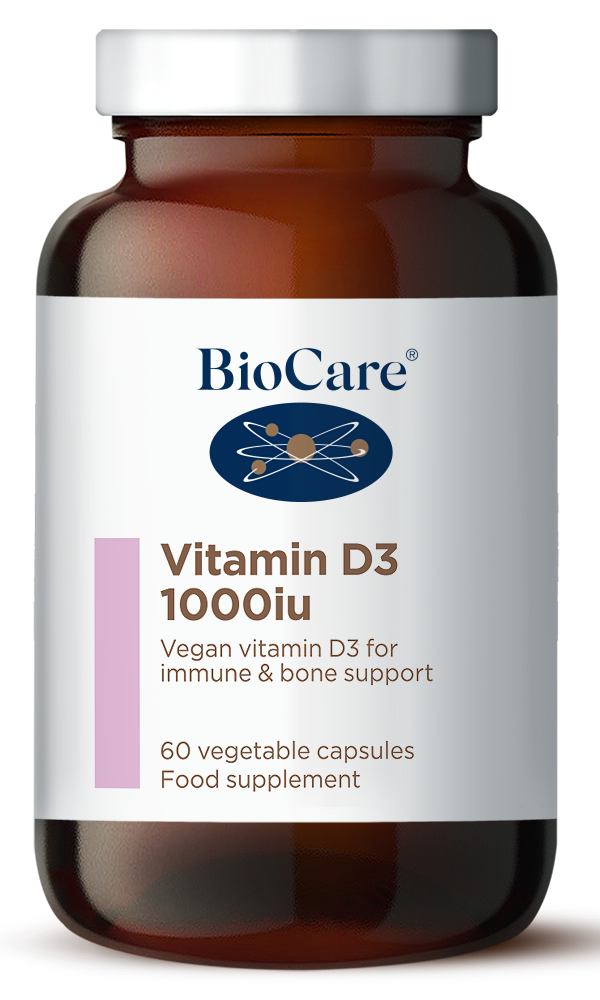
Good to know
- The NHS says 10 micrograms a day is enough for most people, and not to take more than 100 micrograms a day.
- Nutrition Support already gives 25 micrograms, so there is no need to add a separate vitamin D to it.
Vitamin B12
What it does
- Vitamin B12 contributes to the reduction of tiredness and fatigue.
- Vitamin B12 contributes to normal red blood cell formation.
- Vitamin B12 contributes to normal functioning of the nervous system.
Where you find it
Meat, fish, milk, cheese, eggs and some fortified breakfast cereals. It is not found naturally in fruit, vegetables or grains.
Worth a thought if
Vegans, who may not get enough from food. Anyone taking metformin: the MHRA says low B12 is a common side effect, especially at higher doses or after longer use, and lists medicines that reduce stomach acid, such as omeprazole, among the risk factors too.
In our nutrition shop
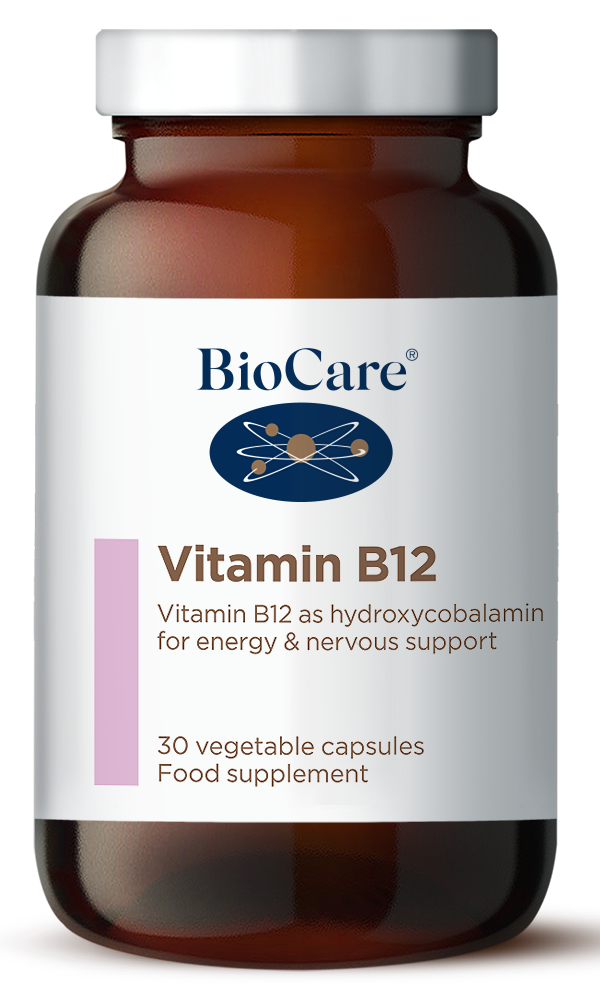
Good to know
- The NHS says 2mg or less a day from supplements is unlikely to cause any harm.
- Low B12 found on a blood test needs your GP's treatment, which can mean injections, rather than a supplement from a shop.
Iron
What it does
- Iron contributes to normal formation of red blood cells and haemoglobin.
- Iron contributes to normal oxygen transport in the body.
- Iron contributes to the reduction of tiredness and fatigue.
Where you find it
Red meat, liver, beans such as red kidney beans, edamame and chickpeas, nuts, dried fruit such as apricots, and fortified breakfast cereals.
Worth a thought if
Women who have periods, who need 14.8mg a day against 8.7mg for men, and vegetarians and vegans. Iron is one to test rather than guess: take a separate iron supplement only if a blood test or your GP says you need one.
In our nutrition shop
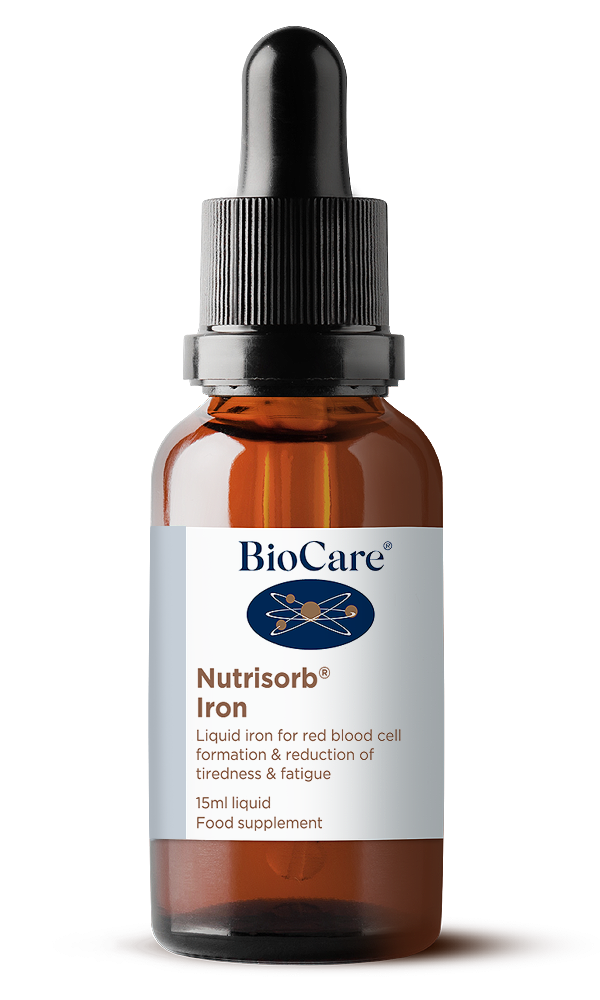
Good to know
- The NHS says 17mg or less a day from supplements is unlikely to cause any harm. Higher doses can cause constipation, sickness and stomach pain.
- Keep iron out of reach of children: very high doses can be fatal to them.
Zinc
What it does
- Zinc contributes to normal macronutrient metabolism.
- Zinc contributes to the normal function of the immune system.
Where you find it
Meat, shellfish, dairy foods such as cheese, bread, and cereal products such as wheatgerm.
Worth a thought if
If you now eat little meat, shellfish or dairy.
In our nutrition shop
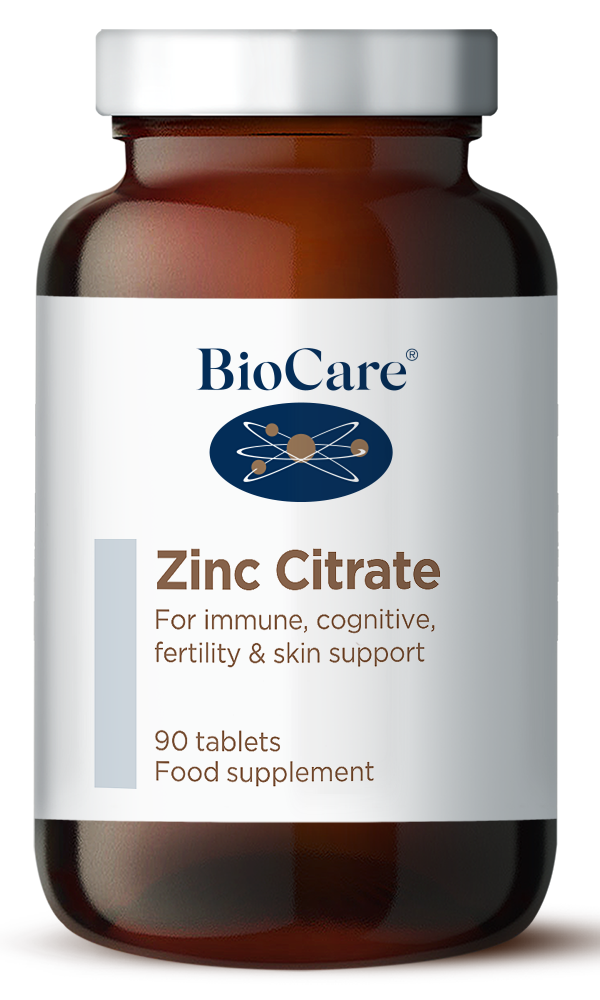
Good to know
- The NHS says not to take more than 25mg a day from supplements unless a doctor advises it: high doses reduce how much copper you absorb.
Magnesium
What it does
- Magnesium contributes to a reduction of tiredness and fatigue.
- Magnesium contributes to normal muscle function.
Where you find it
Spinach, nuts and wholemeal bread.
Worth a thought if
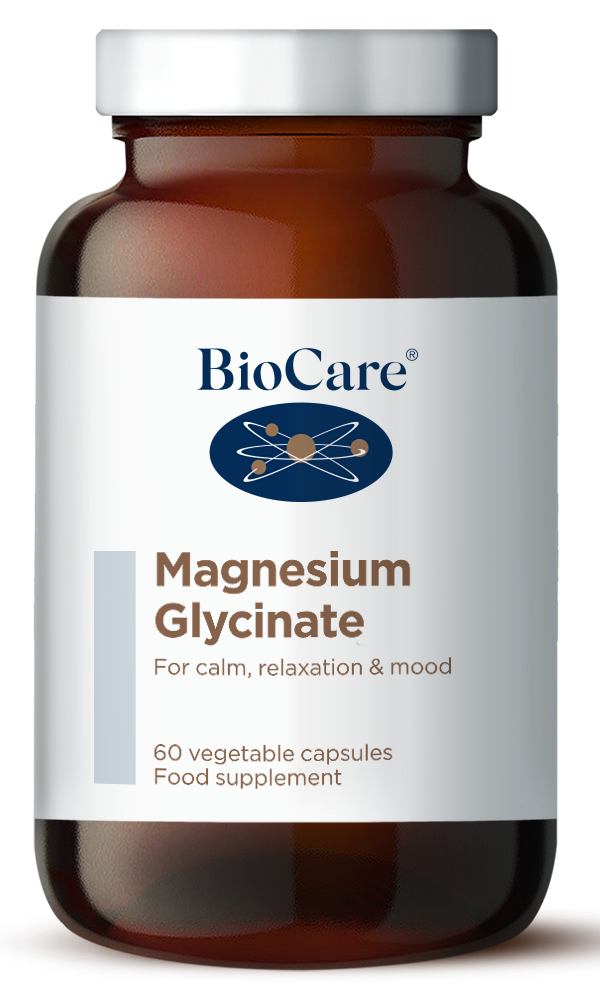
If your meals have shrunk to very little, or you eat few nuts, greens or wholegrains.
In our nutrition shop
Good to know
- The NHS says 400mg or less a day from supplements is unlikely to cause any harm. More than that for a short time can cause diarrhoea.
Calcium
What it does
- Calcium is needed for the maintenance of normal bones.
Where you find it
Milk, cheese and other dairy foods, soya drinks with added calcium, green leafy vegetables such as curly kale, bread made with fortified flour, and fish eaten with the bones, such as sardines.
Worth a thought if
If you eat little dairy or calcium-fortified food. Adults need 700mg a day.
In our nutrition shop
We do not sell a calcium supplement, and Nutrition Support has none. If your diet is low in calcium, ask your GP or pharmacist whether you need one.
Good to know
- The NHS says 1,500mg or less a day is unlikely to cause any harm.
| Nutrient | Found in | In our shop |
|---|---|---|
| Vitamin D | Oily fish, egg yolks, red meat, fortified foods, summer sun | Vitamin D3 1000iu, Nutrition Support |
| Vitamin B12 | Meat, fish, milk, cheese, eggs | Vitamin B12 (hydroxocobalamin), Nutrition Support |
| Iron | Red meat, beans, nuts, dried fruit, fortified cereals | Nutrition Support, Nutrisorb Iron |
| Zinc | Meat, shellfish, cheese, bread | Nutrition Support, Zinc Citrate |
| Magnesium | Spinach, nuts, wholemeal bread | Magnesium Glycinate, Nutrition Support |
| Calcium | Dairy, soya drinks with added calcium, kale, sardines | Not stocked |
Timing supplements with your medicine
Most weight-loss medicines make no difference to when you take a supplement. Two do. Pick yours.
Supplements with Mounjaro
- Same day each weekYour injection
- Any day, with a mealYour supplements, with food, as each label says
How to take Mounjaro
Inject on the same day each week.
Your weekly injection makes no difference to when you take supplements. Take them with food, as each label says.
Read more about Mounjaro.
Supplements with Wegovy injection
- Same day each weekYour injection
- Any day, with a mealYour supplements, with food, as each label says
How to take Wegovy injection
Inject on the same day each week.
Your weekly injection makes no difference to when you take supplements. Take them with food, as each label says.
Read more about Wegovy.
Supplements with Wegovy tablets
- On wakingYour tablet, with up to 120 ml of water
- The next 30 minutesNothing else by mouth
- Breakfast or laterYour supplements, with food, as each label says
How to take Wegovy tablets
Take your tablet on an empty stomach after fasting for at least 8 hours (for most people, first thing in the morning).
Swallow it whole with up to 120 ml of water.
Then wait at least 30 minutes before any food, drink, or other medicines taken by mouth.
Leave your supplements until after the 30 minutes too. The leaflet does not mention supplements, but swallowing them means more water, and it says to wait before eating, drinking or taking any other medicines by mouth.
Read more about Wegovy tablets.
Supplements with Foundayo
- Any time of dayYour tablet, with or without food
- With a mealYour supplements, with food, as each label says
How to take Foundayo
One tablet once daily, at any time of day, with or without food.
Foundayo has no food or water rules, so take your supplements with a meal, as each label says. If you take other medicines too, ask us to check the timings.
Read more about Foundayo.
Supplements with Orlistat
- Each main mealOne orlistat capsule
- 2 hours later, or at bedtimeA multivitamin with vitamins A, D, E and K
How to take Orlistat
Take one capsule immediately before, during, or up to one hour after each main meal, up to three times a day.
Orlistat reduces the absorption of fat-soluble vitamins A, D, E, and K.
Take a daily multivitamin containing vitamin D, at least 2 hours after a dose of orlistat, or at bedtime.
That is why the orlistat leaflet asks for a multivitamin every day, away from your doses. Nutrition Support is taken with meals and contains lipase, the fat-digesting enzyme orlistat works against, so ask us which multivitamin fits around your orlistat.
Read more about orlistat.
In short:
- Mounjaro and Wegovy injections: no rule. Take supplements with food, as each label says.
- Wegovy tablets: take supplements after the 30-minute wait, with breakfast or later.
- Foundayo: no food or water rules, so take them with a meal, as each label says.
- Orlistat: a multivitamin every day, at least 2 hours after a dose or at bedtime.
Choosing a supplement safely
- Do not double up. The Trio already gives 25 micrograms of vitamin D, 7mg of iron and 15mg of zinc a day across Nutrition Support and Collagen Complex, so check the labels before adding a single nutrient on top.
- More is not better. Stay within the amount on the label, and within the daily amounts from supplements the NHS says are unlikely to cause harm: vitamin D 100 micrograms, iron 17mg, zinc 25mg and magnesium 400mg.
- Read the warnings. Vitamin K affects how warfarin works, fish oil needs care with blood thinners, very high doses of iron can be fatal to young children, and products with green tea extract should not be doubled up.
- Be wary of anything that claims to boost, copy or replace your medicine. A food supplement cannot do what a GLP-1 medicine does, and the Advertising Standards Authority has ruled against supplement adverts that implied it could.
- Leave out Weight Support & Metabolic Complex while you are on treatment. It is for people managing their weight without weight-loss medication.
- Tell your pharmacist what you take, especially when you start a new medicine.
Food supplement. Do not exceed the recommended intake. Not a substitute for a varied diet and healthy lifestyle.