
Mounjaro works for the large majority of people, but "working" doesn't mean losing weight every single week. If the scale has stopped moving, there's almost always an identifiable reason. Here are the real ones, roughly in order of how often they turn out to be the answer.
1. You haven't reached an effective dose yet
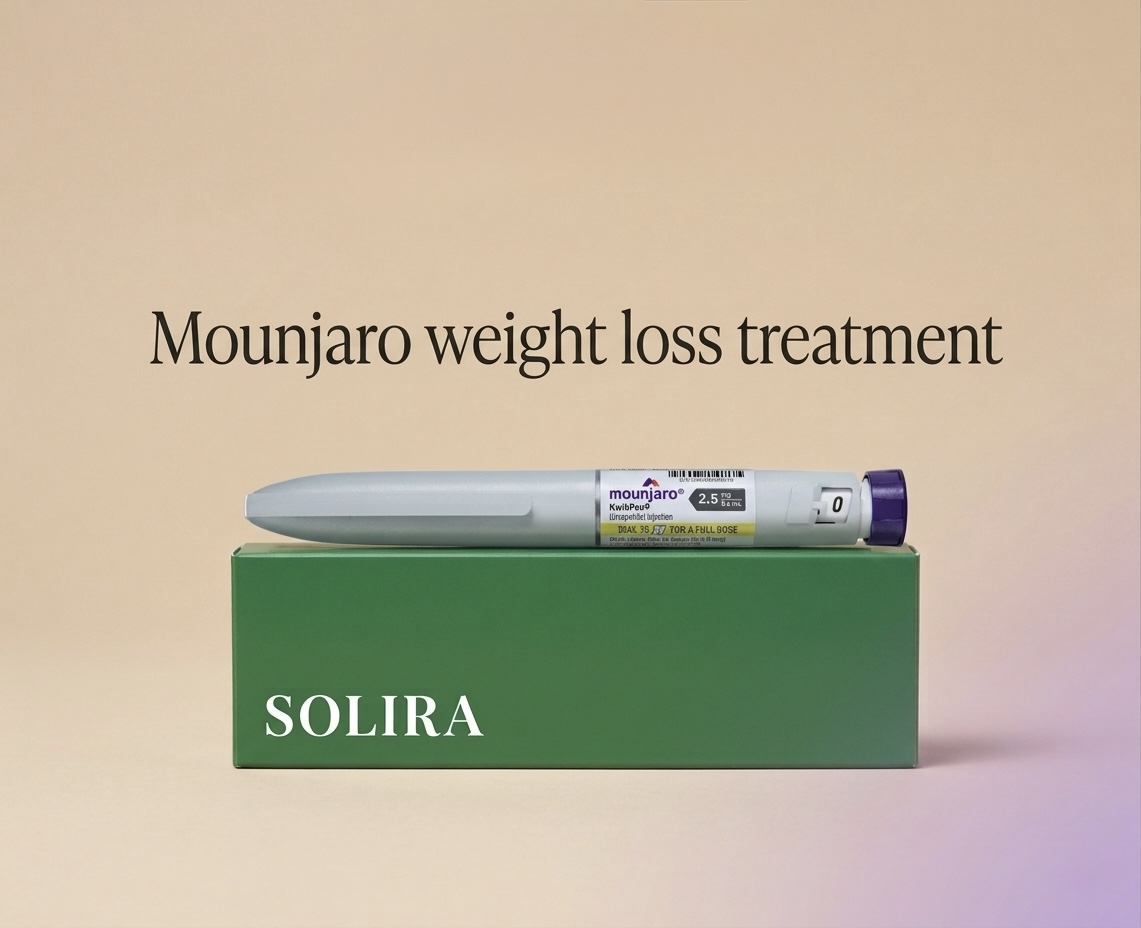
The most common explanation by a distance. 2.5mg is a starting dose designed for tolerance, not a treatment dose. In SURMOUNT-1, average weight loss was around 16% at 5mg, 21.4% at 10mg and 22.5% at 15mg over 72 weeks. If you're early in titration you may simply not be there yet.
2. A genuine plateau, which is normal
Weight loss is not linear. As you lose weight, your body needs fewer calories, so the deficit that was working shrinks. Plateaus of two to four weeks are common and don't mean the medicine has stopped working.
3. Protein and muscle
Losing muscle alongside fat lowers resting metabolic rate and makes further loss harder. If intake has dropped sharply without protein being prioritised, this is likely contributing. Weight on the scale is also a poor measure here — you can lose fat and gain muscle with little scale movement.
4. What you're eating when appetite returns
Appetite suppression fades toward the end of the weekly cycle for some people, and intake in those days can quietly offset the rest of the week.
5. Fluid retention and measurement noise
Salt, carbohydrate intake, menstrual cycle and exercise all shift water weight by several pounds. Weigh under consistent conditions and judge the trend over weeks, not days.
6. Sleep, stress and alcohol
All three affect appetite regulation and adherence. Alcohol also adds significant calories and worsens GI side effects.
7. Other medicines and medical causes
Some medicines promote weight gain, and undiagnosed hypothyroidism and other endocrine causes exist. If loss has genuinely stalled at an adequate dose with good adherence, this deserves review.
What to do about it
- Track measurements and how clothes fit rather than weight alone.
- Prioritise protein at every meal.
- Add resistance training to protect muscle.
- Discuss a dose review with your prescriber before assuming it's not working.
- Give any change at least four weeks before judging it.
In practice, "Mounjaro isn't working" almost always turns out to be either an under-dosed patient or a genuine plateau being read too soon. True non-response at an adequate dose is uncommon.
When to see your pharmacist or doctor
- No response after 12 weeks at an appropriate maintenance dose.
- Losing weight extremely rapidly.
- Symptoms suggesting another cause — persistent fatigue, hair loss, cold intolerance.
Frequently asked questions
How long before Mounjaro starts working? Appetite suppression is often noticed within a fortnight, but meaningful weight loss usually plays out over months as the dose steps up.
Is a plateau normal? Yes — plateaus of two to four weeks are expected and don't mean the medicine has stopped working.
Should I increase my dose? Only under prescriber review, and only once the current dose has been given a fair trial.
Does Mounjaro stop working over time? Not typically. Apparent tolerance is usually a smaller deficit at a lower body weight.
Should I switch to Wegovy? Rarely the answer if you haven't reached an adequate Mounjaro dose — tirzepatide outperforms semaglutide in head-to-head data on average.
See also Mounjaro weight loss by week, what to eat on Mounjaro and Mounjaro vs Wegovy.
References
- Jastreboff AM et al. Tirzepatide Once Weekly for the Treatment of Obesity (SURMOUNT-1). N Engl J Med 2022.
- Aronne LJ et al. Tirzepatide versus Semaglutide (SURMOUNT-5). N Engl J Med 2025.
- NICE guidance on overweight and obesity management.
Reviewed by Jimah Alsaai MPharm, GPhC 2232652, Superintendent Pharmacist, Solira.